From utilities to energy allies: the new role of electricity utilities

Energy consumers' expectations are no longer the same as they were a few years ago, and energy utilities must keep pace with the new prosumers or run the risk of being left behind in a changing market.
In general, utilities continue to lose many customers every year. According to CNMC data, in a single year almost 7 million electricity consumers switched their utility in one year, almost 1 in 4. Utilities' strategy for winning new customers tends to be one and the same, repeated over and over: running one-off, very aggressive price campaigns to win new customers, whose prices and margins will then be raised in later years. Winning in the short term to lose in the long term, and annoying the customers they already have, who often cannot access those prices.
Consumers expect much more
If you are an energy utility, ask yourself a question: is price the only thing that sets you apart from the competition? If the answer is yes, you have a problem, because consumers don't only think about price. According to a study published by EY, 67% of consumers are looking for a personalised energy solution, and almost 20% would adopt new energy products and services.
The chart below shows the evolution of Google search volume for “solar panels”, “electric car”, “heat pump”, “solar panels” and “aerothermal energy”, from the start of 2019 to today.
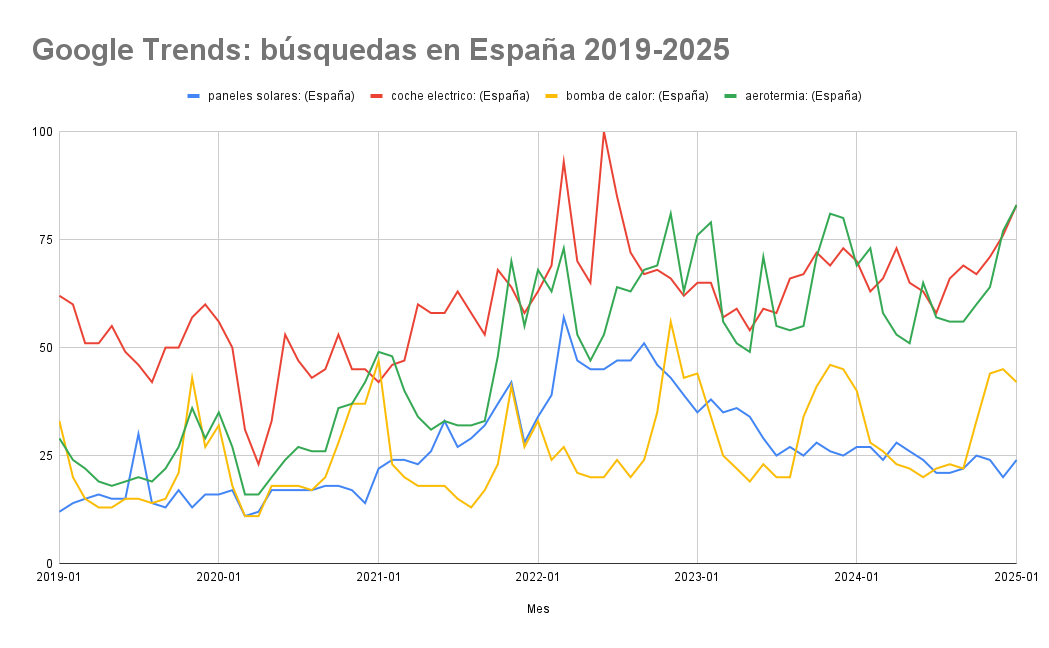
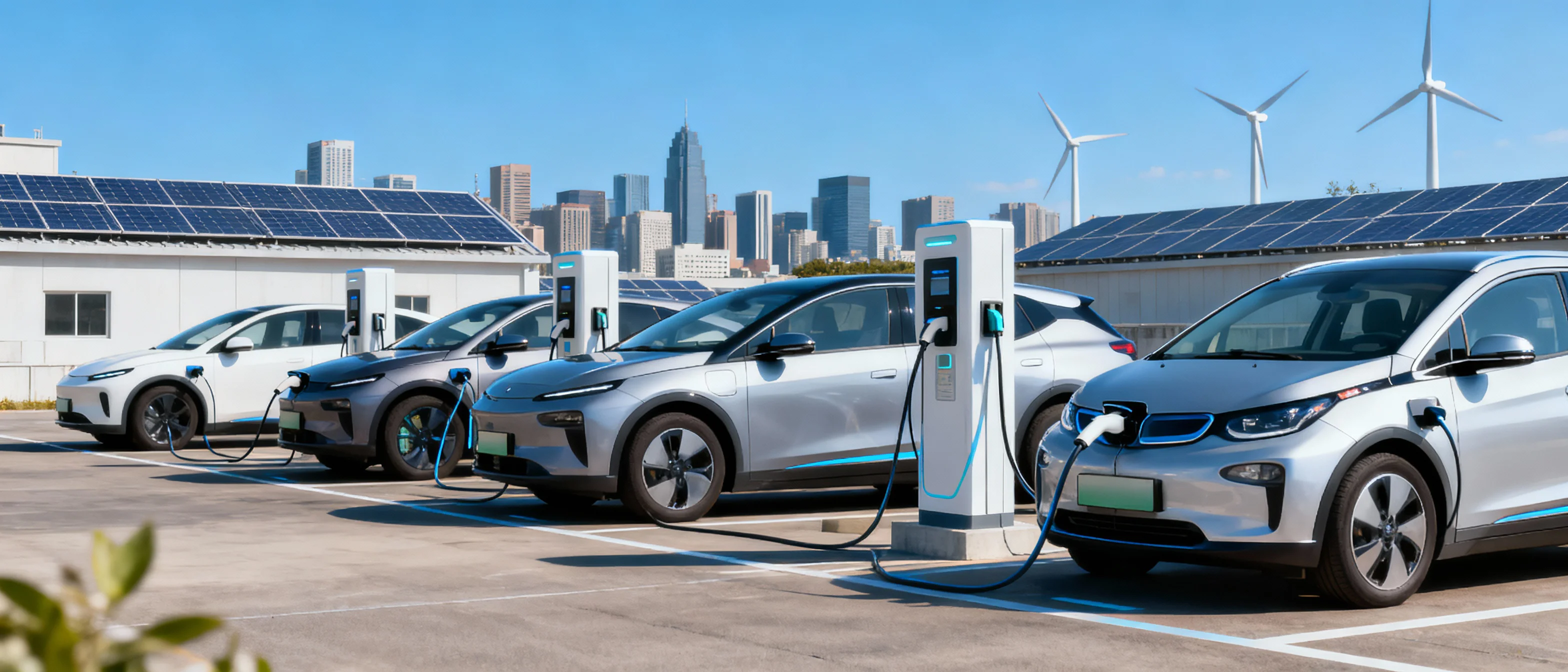
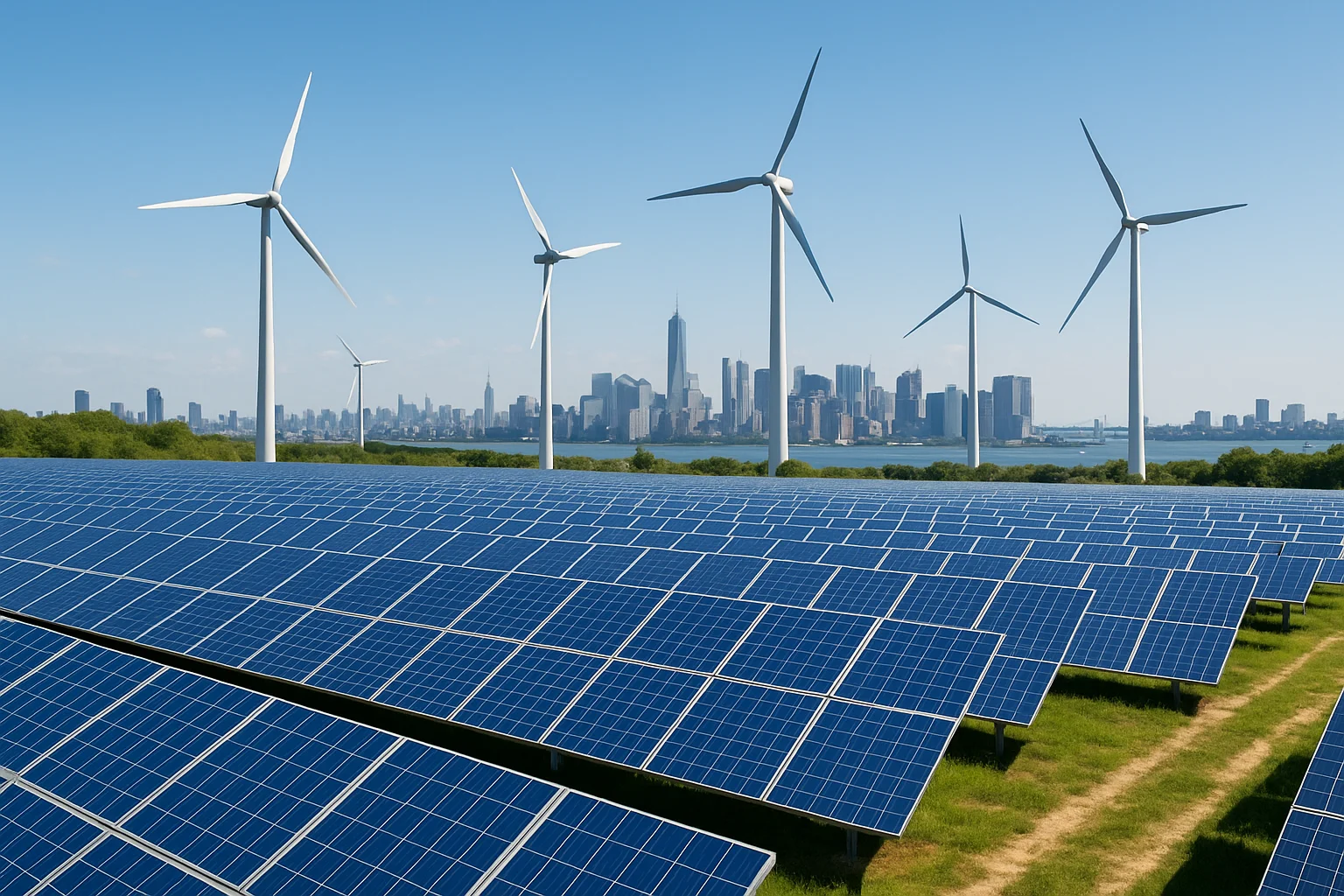
All of these systems are what are known as DERs (Distributed Energy Resources or Recursos Energéticos Distribuidos): decentralised energy sources located close to the point of consumption that can generate, store or manage electricity.
The rise in energy prices and concern for the environment and climate change have led consumers to change their attitude towards energy and the way they consume it, and they are interested in incorporating these devices, as well as management tools that allow them not to be merely a passive part of the market.
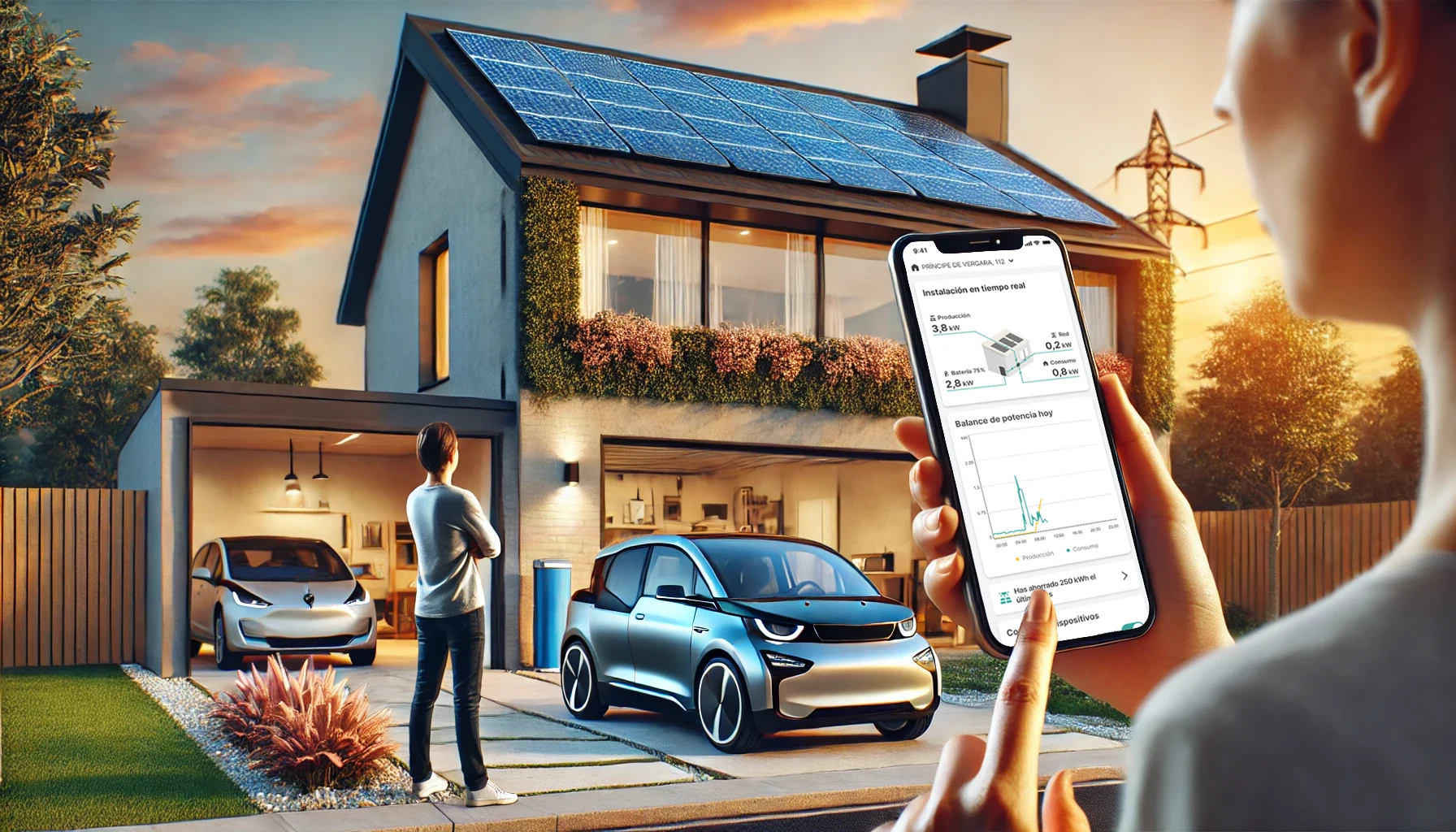
These new consumer habits demand innovative energy services that their utilities are not adequately providing. Consumers want to know what is happening with their electricity consumption and generation at all times, and they expect their utility to help them along this new path.
According to a study published by La Mutua de Propietarios in 2021, 70% of consumers changed their consumption habits following the rise in electricity tariffs. In a similar study carried out by LG Electronics in 2022, following the rise in energy prices caused by the war in Ukraine, this figure rose to 84.6%.
Adapt or die: technological innovation is the key
In an increasingly competitive market, the paradigm shift for energy utilities is clear. Save for very few exceptions, energy utilities are not “love brands” and their customers' engagement with the product is low.
In Spain there are more than 500 utilities, of all kinds: large and small, traditional or newly created, installation companies, multi-service companies, national and international ones trying to open up the market in our country…
Electricity utilities that offer differentiated digital services are much more highly valued by consumers, who are no longer only looking for a good tariff, but for someone who addresses their concerns and helps them along the path of reducing their consumption and their carbon footprint. In consumers' minds are, as we have mentioned, photovoltaic panels, batteries, electric cars, heat pumps, and how to adapt their consumption habits (HEM and smart charging). Technology is therefore the key to being able to accompany consumers along this path.
Energy management and flexibility: the foundations of the future of energy
Technological development makes it possible to offer consumers the products of the future, related to energy management and flexibility. Flexibility products in the energy sector are services that allow electricity consumption or generation to be adjusted in response to the needs of the grid. We are talking about smart charging, the intelligent management of solar panels, and HEMs (Home Energy Management).
Energy management is key and represents a major change for utilities. It is no longer just about buying energy on the wholesale market and selling it to consumers. Consumers now also generate, and managing all this energy while giving a significant role to the collaboration of end users increases opportunities for everyone. And an engaged customer is not going to leave for another utility.
Flexibility products not only allow energy utilities to acquire and retain consumers, but also unlock additional revenue from trading assets in the flexibility markets.
A good example of these products would be the Saving Sessions that utilities such as Octopus are already offering. By harnessing demand flexibility, utilities can bring forward energy purchases at very advantageous prices, and then compensate users who consume more or less electricity during a given period of time. Yes, you could end up paying your users for the energy they consume and still make a profit. Are you a long way from this? Take note.
Focus on the customer, education and empowerment
In recent years there has been a shift in trend at most companies towards putting the focus on the customer. Putting the customer at the centre means anticipating their needs, listening to them, teaching them, and being transparent and honest with them. This is especially important at the present moment for energy utilities, since their customers have many doubts and new needs. It is a great opportunity to build new bonds, with more direct communication, providing them with valuable information and generating trust.
Electricity consumers are going to want flexibility products, to understand the advantages of smart charging, to make progress with self-consumption, or to add new products and services that help them control their energy consumption. This is only possible if electricity utilities once again put the user at the centre and concern themselves with much more than mere tariffs.
In conclusion
The utilities that are going to succeed are those that accompany users along this path, making the transition to the energy of the future easier for them, where consumers play a much more active role. Are you already on that path? What are you waiting for?