Solar cannibalisation
Interview with GEPETTO OpenAITini
💡 Luiso: Good morning Gepetto, let's get straight to the point. What phenomenon does solar cannibalisation refer to?
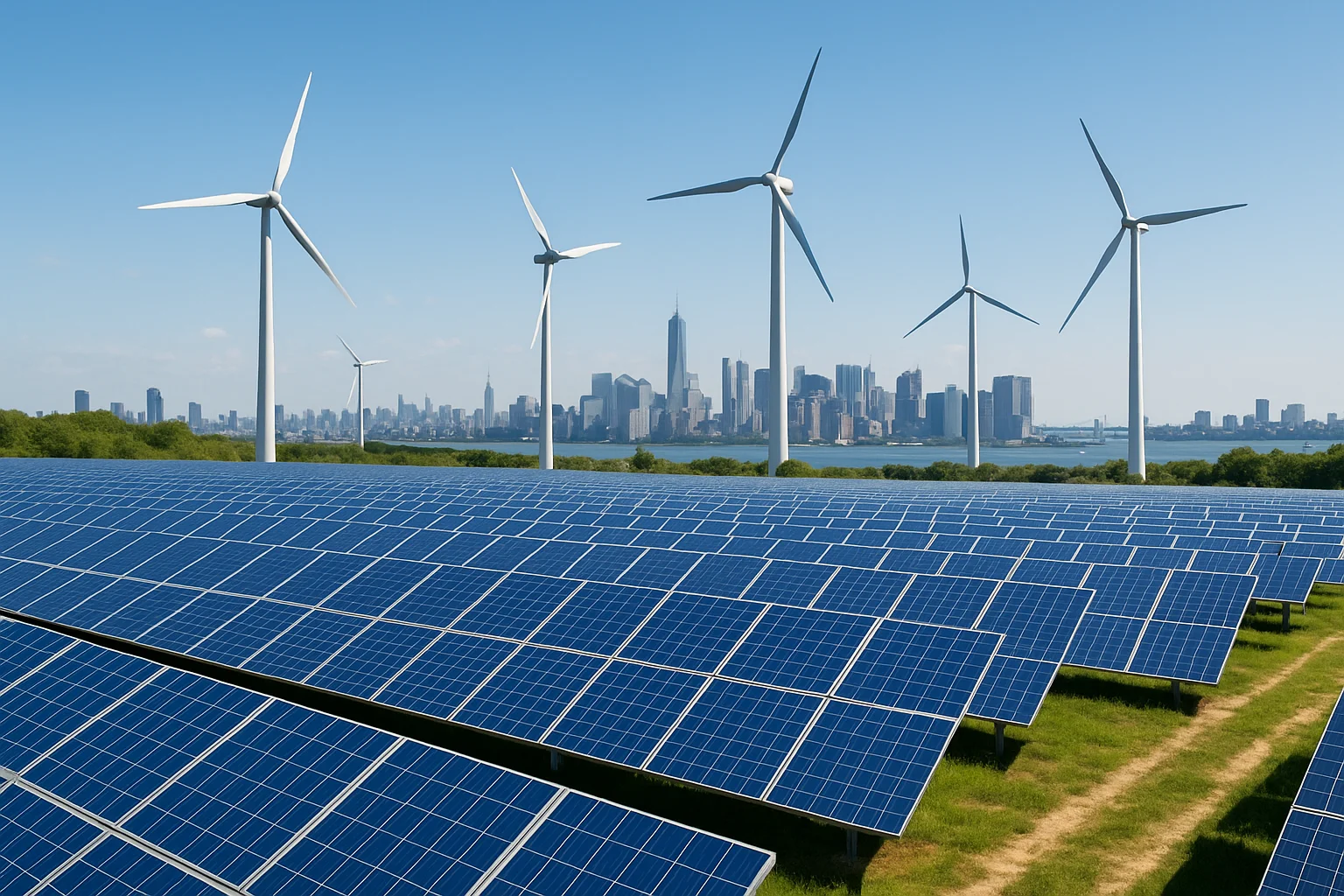
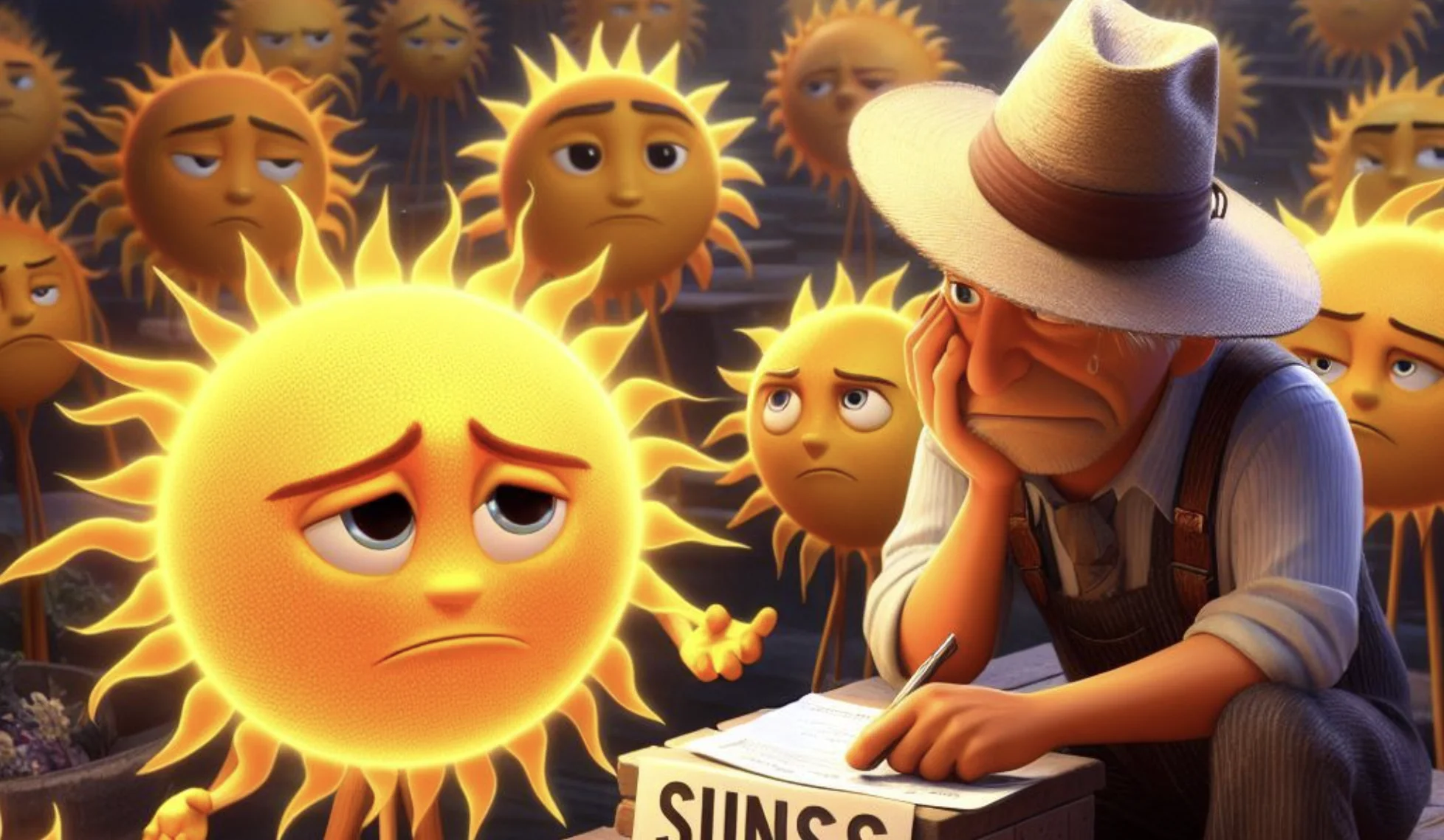
🎩 Gepetto: Solar cannibalisation refers to the phenomenon in which the accelerated growth of installed solar PV capacity in a given market leads to a fall in wholesale electricity prices during hours of abundant solar generation.This can happen when the supply of solar energy exceeds demand at certain times, which can reduce electricity prices at those moments and affect the profitability of existing and future solar projects.
💡 Luiso: I see, supply and demand — in the end it is the market that decides the price of a product. You speak of an increase in the supply of electricity, but isn't the energy transition supposed to bring a large increase in electricity demand?
🎩 Gepetto: It is true that the energy transition may drive a significant increase in electricity demand, especially as fossil fuels are replaced by renewable energy sources in sectors such as transport and heating. (…).(…).It is important to bear in mind that planning and the balance between supply and demand are fundamental in the energy transition in order to avoid cannibalisation situations, ensure the stability of the electricity system and maximise the efficiency and profitability of investments in renewable energy.
💡 Luiso: So, do you think that, if there were a substantial increase in the electrification of mobility and in climate control systems, that demand could exceed the supply of electricity?
🎩 Gepetto: It is possible that a substantial increase in the electrification of mobility and in climate control systems will generate a significant rise in electricity demand. If this growth in demand exceeds the available electricity generation capacity, there could be challenges in meeting that additional demand.(…).In addition, demand management technologies, such as demand flexibility and energy storage, can also play a crucial role in the balance between electricity supply and demand. These solutions can help to manage demand peaks, optimise the use of resources and guarantee a stable and sustainable electricity supply.
💡 Luiso: Yes, it seems that demand flexibility is going to play a crucial role in this transition, which by the way is not only an energy transition but also a technological one. You also say that this solar cannibalisation brings hours with very low electricity prices. How can a household take advantage of those hours of cheap energy?
🎩 Gepetto: To take advantage of the hours of cheap electricity (and avoid the expensive ones), there are some strategies that a household can implement:Schedule high-consumption tasks: Identify the hours with the lowest electricity prices and schedule high-consumption tasks, such as charging electric vehicles, running energy-intensive appliances or heating water, (…).Energy storage: If the household has energy storage systems, such as batteries, cheap energy can be taken advantage of by storing it during the lowest-price hours and using that stored energy during the higher-cost hours.Participation in demand response programmes: (…) consumers can benefit from lower tariffs in exchange for reducing their consumption during periods of high demand. (…).Automation and efficient energy use: Use smart home automation and control devices to optimise energy consumption. This involves programming devices to (…) reduce consumption when electricity prices are high.
💡 Luiso: Well, it seems that this situation may bring more advantages than disadvantages, at least for those savvy consumers who make good decisions. I understand that there will be a massive increase in the installation of electric climate control systems (which move away from fossil fuels, such as natural gas or heating oil) and in the purchase of electric vehicles (which move away from other fossil fuels, such as petrol or diesel).Do you think, then, that solar cannibalisation is a long-term risk for consumers who have installed solar PV in their homes?
🎩 Gepetto: In the long term, solar cannibalisation may pose certain challenges for consumers who have installed solar panels in their homes. (…).However, it is important to bear in mind that cannibalisation is a complex phenomenon and depends on several factors, such as energy policies, the structure of the electricity market, the growth of demand and energy storage capacity, among others.In addition, there are strategies to mitigate the effects of cannibalisation, such as the instantaneous self-consumption of the energy generated by the solar panels, storing energy in batteries for later use or participating in energy compensation programmes.(…).
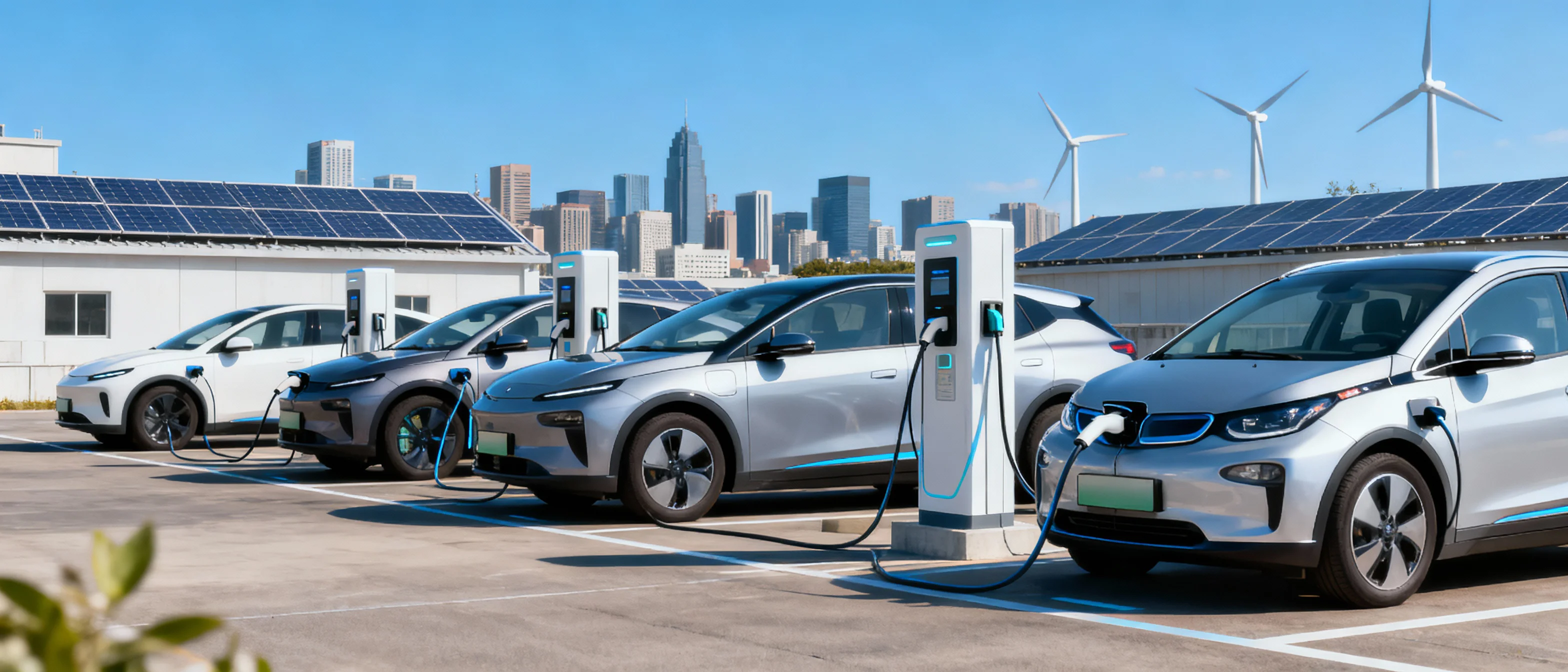
💡 Luiso: An energy storage that could perhaps be carried out in the lithium batteries of EVs, rather than installing batteries dedicated solely to that purpose, right?
🎩 Gepetto: Yes, it is possible to use the lithium batteries of electric vehicles (EVs) for energy storage. This practice is known as "Vehicle-to-Grid" (V2G) or "Vehicle-to-Home" (V2H), depending on whether the stored energy is used to supply the power grid or the home respectively.The V2G/V2H concept makes it possible to harness the capacity of EV batteries to store energy during periods of low demand and then use it when needed, whether to power the power grid or to cover the home's energy needs.In addition to providing flexibility in energy consumption, V2G/V2H can have economic benefits, since EV owners can earn money by participating in demand response programmes or by providing power grid stabilisation services.However, it is important to bear in mind that using EV batteries for energy storage can affect the batteries' service life, due to the additional charge and discharge cycles. Therefore, it is necessary to carefully consider energy management and set appropriate limits to guarantee the durability of the batteries and the optimal performance of the vehicle.(…).
💡 Luiso: I would bet, then, that the cost of these EVs is going to start to rise, between the automotive industry's need to make the service life of lithium batteries more sustainable and the growing demand that is on the way (let's not forget the Osborne effect)...And with regard to energy policies, do you think that a Government that has driven measures limiting the maximum prices of energy is also going to drive measures limiting the minimum price for the sale of surplus energy?
🎩 Gepetto: It is difficult to predict with certainty how the prices of electric vehicles (EVs) will evolve in the future, since they are influenced by multiple factors, such as advances in battery technology, the scale of production, government incentives and competition in the market. However, there may be upward pressures on costs due to the need for greater sustainability in the service life of batteries and the anticipated increase in demand.(…).As for limiting the minimum price for the sale of surplus energy, this will depend on the specific policies and energy objectives of the Government. Some governments might implement incentives or tariff programmes to encourage renewable energy generation and self-consumption, while others might allow surplus energy to be freely traded on the market.
💡 Luiso: Right... it's better for everyone to take whatever measures they see fit to protect themselves against the threats of possible future increases in fossil fuel prices and to take advantage of all the benefits of electrifying their homes. For our part, we will take care of helping to strengthen the energy and technological side of homes, giving residential consumers opportunities to overcome the risks of this solar cannibalisation. Thanks Gepetto, it's been a pleasure chatting with you!
🎩 Gepetto: You're welcome, Luiso! I'm glad I could help you. I'm here to provide you with information and support in everything related to energy, sustainability and the economy. If you have more questions in the future, don't hesitate to come back. Have an excellent day and much success in your projects related to the energy and technological transition of homes! See you soon!